
Dropshipping
Dropshipping vs. Xsoot Hoodies: Which Business Model to Choose?
In the ever-evolving world of e-commerce, entrepreneurs face a multitude of choices when it comes to selling products online. Two popular options are dropshipping and selling branded products, such as Xsoot hoodies. In this blog post, we will explore the differences between these two approaches, examining their advantages, challenges, and how they can fit into your overall business strategy.
What is Dropshipping?
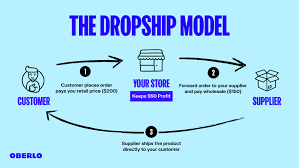
Dropshipping is a retail fulfillment method where a store doesn't keep the products it sells in stock. Instead, when a store sells a product, it purchases the item from a third party and has it shipped directly to the customer. This business model has gained significant popularity due to its low startup costs and minimal risk.
Advantages of Dropshipping
- Low Overhead Costs: Since you don't need to invest in inventory, your initial costs are significantly lower.
- Wide Product Selection: You can offer a variety of products without the need to hold stock.
- Flexibility: You can run your business from anywhere with an internet connection.
- Scalability: Easily expand your product offerings as your business grows.
Challenges of Dropshipping
- Lower Profit Margins: Due to the reliance on third-party suppliers, profit margins can be lower compared to traditional retail.
- Less Control Over Shipping: Shipping times and product quality depend on your suppliers, which can affect customer satisfaction.
- Market Saturation: Many dropshippers sell the same products, making it challenging to differentiate your brand.
Introduction to Xsoot Hoodies
Xsoot is a popular brand known for its stylish and comfortable hoodies. Unlike dropshipping, selling Xsoot hoodies involves purchasing inventory upfront and managing it yourself. This method has its own set of advantages and challenges.
Advantages of Selling Xsoot Hoodies
- Brand Recognition: Selling a well-known brand can attract customers more easily than generic products.
- Higher Profit Margins: By buying in bulk directly from the manufacturer, you can achieve better pricing and enhance your profit margins.
- Control Over Quality: You can inspect the products for quality before selling them to customers.
- Customer Loyalty: Offering a specific brand can foster brand loyalty among consumers.
Challenges of Selling Xsoot Hoodies
- Higher Startup Costs: You need to invest in inventory upfront, which can be a barrier for new entrepreneurs.
- Inventory Management: Managing stock levels can be challenging and requires careful planning.
- Risk of Unsold Stock: There’s always the risk of having unsold inventory, especially in a competitive market.
Which Business Model is Right for You?
Choosing between dropshipping and selling Xsoot hoodies ultimately depends on your goals, resources, and business strategy. Here are some questions to help you decide:
- What is your budget? If you have limited funds, dropshipping might be the better option.
- Are you willing to manage inventory? If you prefer hands-on control, selling Xsoot hoodies could be a good fit.
- How important is brand recognition? If you believe in the strength of a brand like Xsoot, selling their products could help you establish credibility quickly.
- What is your target market? Consider what appeals to your audience. Are they looking for trendy, branded items, or are they more price-sensitive and open to generic options?
Conclusion
Both dropshipping and selling Xsoot hoodies have their unique benefits and challenges. By weighing the pros and cons of each approach, you can determine which model aligns best with your business goals and personal preferences. Whether you choose to embrace the flexibility of dropshipping or the brand potential of Xsoot hoodies, success in e-commerce comes down to understanding your market and delivering quality products that meet consumer needs.
Suggested image here
As you venture into the e-commerce space, consider experimenting with both models or even integrating elements of each into your strategy. The key is to remain adaptable and responsive to market trends, ensuring that your business evolves alongside consumer preferences.