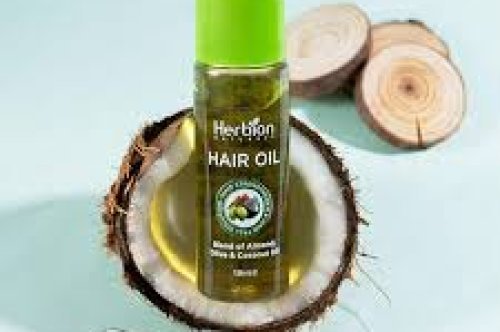
hair oil for low porosity hair
Understanding Low Porosity Hair
Low porosity hair lacks the ability to absorb moisture efficiently. This is due to tightly packed cuticles that lie flat and create a barrier against moisture absorption. While this means that low porosity hair can resist damage from environmental factors, it can also lead to dryness and lack of luster if not cared for properly.
The Importance of Hair Oils
Incorporating hair oils into your hair care routine can significantly improve the health and appearance of low porosity hair. Hair oils not only provide moisture but also help seal it in, creating a protective barrier against damage. However, choosing the right type of hair oil is crucial for those with low porosity hair.
Best Hair Oils for Low Porosity Hair
When selecting hair oils for low porosity hair, look for lightweight oils that are easily absorbed. Here’s a list of the best options:
- Jojoba Oil: Mimics the natural oils produced by the scalp, making it highly compatible with low porosity hair.
- Argan Oil: Rich in fatty acids and antioxidants, argan oil adds shine and moisture without weighing hair down.
- Grapeseed Oil: A lightweight oil that provides moisture and helps seal in hydration effectively.
- Sweet Almond Oil: Known for its ability to soften and condition hair, sweet almond oil is perfect for low porosity strands.
- Rosehip Oil: Packed with vitamins and antioxidants, rosehip oil promotes healthy hair growth and adds moisture.
- Hemp Seed Oil: Rich in omega fatty acids, hemp seed oil can nourish low porosity hair without feeling greasy.
- Apricot Kernel Oil: This lightweight oil absorbs quickly and provides essential nutrients to low porosity hair.
- Camellia Oil: Known for its moisturizing properties, camellia oil is ideal for enhancing shine and softness.
How to Apply Hair Oil for Maximum Benefits
Applying hair oil correctly is key to maximizing its benefits. Here’s a simple step-by-step guide:
- Start with Clean Hair: Wash your hair with a gentle shampoo to remove product buildup.
- Use a Lightweight Oil: Choose one of the oils mentioned above, as they are tailored for low porosity hair.
- Warm the Oil: Slightly warm the oil in your hands to help it penetrate the hair shaft better.
- Focus on the Ends: Apply the oil primarily to the ends of your hair, where moisture is most needed.
- Massage into the Scalp: Gently massage the oil into your scalp to promote circulation and healthy hair growth.
- Leave it On: For deep conditioning, leave the oil on for at least 30 minutes or overnight for best results.
- Rinse Out: Use a mild shampoo to wash out the oil, followed by a conditioner.
Tips for Caring for Low Porosity Hair
Here are some additional tips to help maintain the health of your low porosity hair:
- Use Heat: Applying heat while conditioning can help open the hair cuticles for better absorption.
- Avoid Heavy Products: Steer clear of heavy creams and butters that can weigh down your hair.
- Incorporate Humectants: Look for products containing humectants (like glycerin) to attract moisture.
- Limit Protein Treatments: Since low porosity hair tends to be more protein-sensitive, limit the frequency of protein treatments.
Conclusion
Low porosity hair requires special care and attention, and the right hair oils can make all the difference. By incorporating lightweight oils and following proper application techniques, you can enhance the health, shine, and moisture retention of your low porosity locks. Remember to listen to your hair’s needs and adjust your routine as necessary for optimal results.