
About Hantavirus
About Hantavirus
Hantavirus is a group of viruses that are primarily carried by rodents and can cause serious health issues in humans. One of the most notable diseases caused by hantavirus is Hantavirus Pulmonary Syndrome (HPS), which can be severe and life-threatening. In this blog post, we will explore the causes, symptoms, transmission methods, prevention strategies, and treatment options related to hantavirus.
What is Hantavirus?
Hantavirus belongs to the family Hantaviridae, which encompasses several strains, each associated with different rodent species. The most well-known strains include:
- Sin Nombre virus: The most common cause of HPS in the United States.
- Hantaan virus: Associated with hemorrhagic fever with renal syndrome (HFRS).
- Seoul virus: Commonly found in urban areas and can cause mild illness.
How is Hantavirus Transmitted?
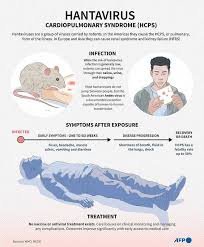
Hantavirus is primarily transmitted to humans through contact with rodent droppings, urine, or saliva. The virus can be inhaled when particles become airborne, especially in enclosed spaces where rodents have nested. Other common transmission routes include:
- Direct contact with infected rodents.
- Contact with contaminated surfaces or materials.
- In rare cases, through bites from infected rodents.
Symptoms of Hantavirus Infection
Symptoms of hantavirus infection may vary depending on the type of virus and the severity of the illness. Generally, the incubation period ranges from 1 to 8 weeks after exposure. Early symptoms often resemble those of the flu and may include:
- Fever and chills
- Muscle aches
- Dizziness and fatigue
- Headaches
- Gastrointestinal issues such as nausea or abdominal pain
As the disease progresses, severe respiratory symptoms can develop, including:
- Shortness of breath
- Coughing
- Fluid accumulation in the lungs, leading to respiratory failure
It is crucial to seek medical attention immediately if you experience these symptoms after potential exposure to rodents.
Prevention of Hantavirus
Preventing hantavirus infection largely revolves around reducing rodent populations and minimizing exposure to rodent droppings. Here are some effective prevention strategies:
- Seal entry points: Identify and seal cracks and holes in your home to prevent rodent entry.
- Maintain cleanliness: Keep your living areas clean and free of food debris that may attract rodents.
- Store food properly: Use airtight containers for food storage to deter rodents.
- Safe cleanup: When cleaning areas contaminated with rodent droppings, use gloves and a mask. Wet the area with a disinfectant before cleaning to minimize dust.
- Use traps: Employ snap traps or other rodent control methods to manage populations.
Treatment Options for Hantavirus
Currently, there is no specific antiviral treatment for hantavirus infection. Supportive care is the primary approach, which may include:
- Oxygen therapy for respiratory distress
- Intravenous fluids to maintain hydration
- Medications to manage symptoms and complications
Early diagnosis and treatment are crucial in improving outcomes for individuals infected with hantavirus.
Conclusion
Hantavirus is a serious health concern that can lead to severe respiratory illness if contracted. Understanding how the virus is transmitted, recognizing its symptoms, and taking proactive measures to prevent exposure can significantly reduce the risk of infection. If you suspect you have been exposed to hantavirus or are experiencing symptoms, it is vital to seek medical attention promptly. Awareness and education are key to protecting yourself and your community from this potentially life-threatening virus.