
dropshipping using shopify
Understanding Dropshipping with Shopify
Dropshipping has rapidly gained popularity as an eCommerce business model, especially among new entrepreneurs looking to venture into the online retail space. One of the most robust platforms to facilitate dropshipping is Shopify, known for its ease of use and comprehensive features. In this blog post, we will explore how to successfully set up a dropshipping business using Shopify, covering everything from selecting products to effective marketing strategies.
What is Dropshipping?
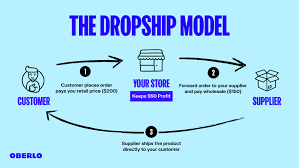
Dropshipping is a retail fulfillment method where a store does not keep the products it sells in stock. Instead, when you sell a product, you purchase the item from a third party and have it shipped directly to the customer. This model eliminates the need for inventory management and allows you to focus on marketing and customer service.
Why Choose Shopify for Dropshipping?
Shopify is one of the leading eCommerce platforms, and here are several reasons why it’s an ideal choice for dropshipping:
- User-Friendly Interface: Shopify's intuitive dashboard makes it easy for anyone, regardless of technical skill, to set up and manage an online store.
- Integrated Payment Solutions: Shopify provides a variety of payment gateways, allowing you to accept payments easily from customers around the globe.
- Extensive App Store: The Shopify App Store offers numerous dropshipping apps that seamlessly integrate with your store, making product sourcing and order fulfillment a breeze.
- Responsive Customer Support: Shopify offers 24/7 customer support, ensuring that help is always available when needed.
Getting Started with Dropshipping on Shopify
To launch your dropshipping business on Shopify, follow these essential steps:
1. Sign Up for Shopify
Visit the Shopify website and sign up for a free trial. This will give you access to all the features you need to build your store.
2. Choose Your Niche
Select a niche that interests you and has a viable market. Conduct market research to identify trends, customer needs, and potential competitors. Popular niches include fashion, health products, electronics, and home decor.
3. Find Reliable Suppliers
Utilize apps like Oberlo, Spocket, or Printful to find suppliers that offer dropshipping services. Ensure they have a good reputation, quality products, and reliable shipping times.
4. Set Up Your Online Store
Choose a professional theme from the Shopify Theme Store that aligns with your brand. Customize your store’s layout, add product descriptions, and upload high-quality images to attract customers.
5. Configure Payment and Shipping Options
Set up payment gateways like Shopify Payments, PayPal, or Stripe. Also, configure your shipping settings, including rates, methods, and delivery times, to provide clarity for your customers.
6. Implement Marketing Strategies
To drive traffic to your store, leverage various marketing strategies:
- Search Engine Optimization (SEO): Optimize product pages and blog content to improve visibility on search engines.
- Social Media Marketing: Use platforms like Instagram, Facebook, and Pinterest to showcase your products and connect with potential customers.
- Email Marketing: Build an email list to share promotions, new product launches, and personalized recommendations.
7. Monitor Your Metrics
Utilize Shopify’s built-in analytics tools to track your store’s performance. Monitor key metrics such as traffic sources, conversion rates, and customer behavior to make informed decisions.
Tips for Success in Dropshipping
- Choose Quality Over Quantity: Focus on a select range of high-quality products rather than trying to sell everything.
- Build Strong Supplier Relationships: Communicate regularly with your suppliers to ensure smooth operations and address any issues promptly.
- Provide Excellent Customer Service: Respond to customer inquiries quickly and resolve issues efficiently to build trust and loyalty.
- Stay Updated with Market Trends: Keep an eye on industry trends and adapt your product offerings accordingly.
Common Pitfalls to Avoid
- Neglecting Product Research: Failing to research products can lead to poor sales and customer dissatisfaction.
- Ignoring Customer Feedback: Listen to your customers’ feedback and make improvements based on their suggestions.
- Overlooking Branding: Establish a strong brand identity that resonates with your target audience.
Conclusion
Dropshipping using Shopify can be a lucrative business opportunity when done correctly. By following the steps outlined in this guide, you can set up a successful online store, attract customers, and grow your business. Remember to be patient and persistent, as building a successful dropshipping business takes time and effort.